Hurricane Preparedness
Get your home and family ready now, before a dangerous storm hits Maryland
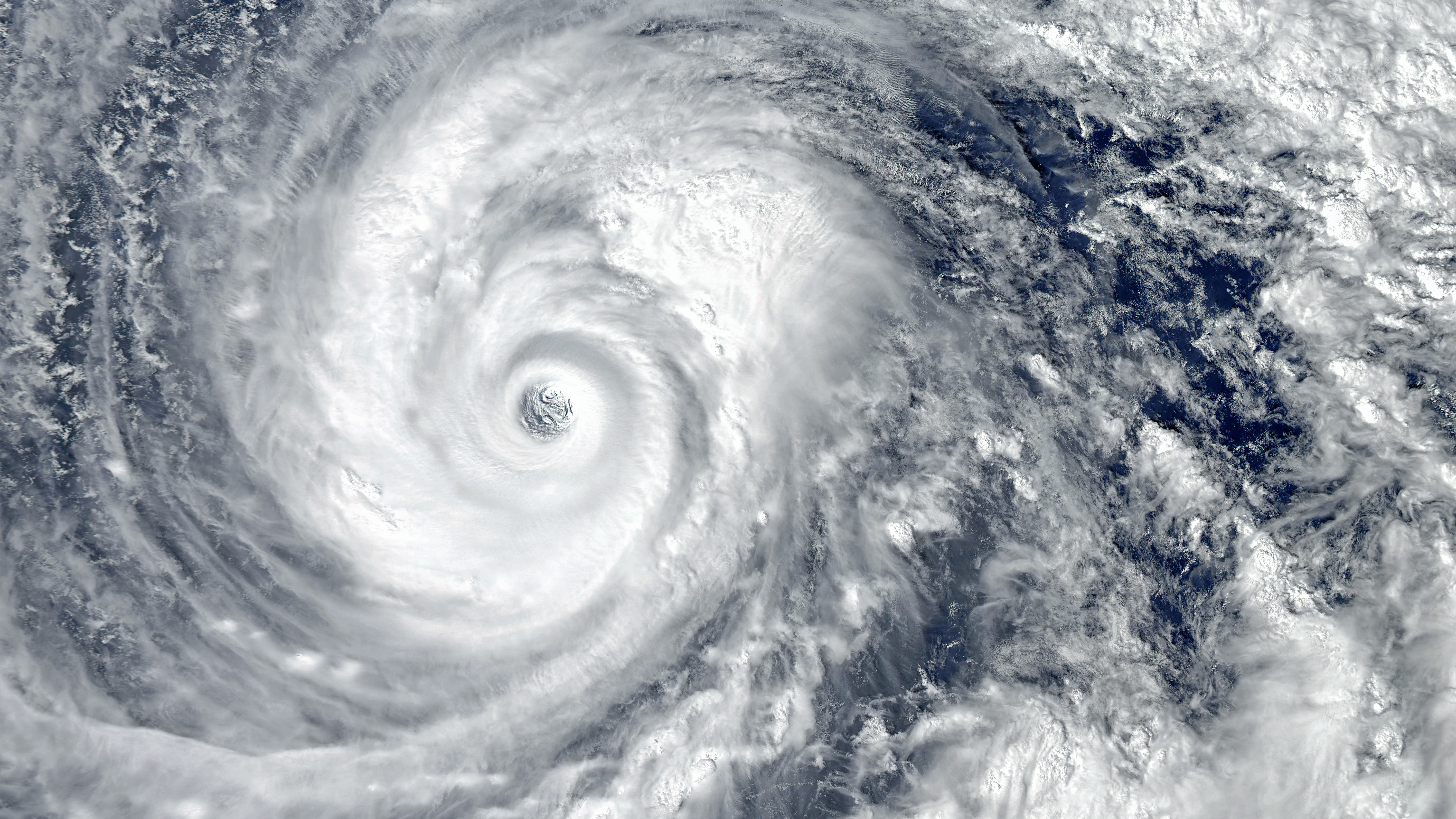 Hurricane Preparedness Week 2026 is from May 3 to May 9, sponsored by the National Weather Service, a valuable partner of the Office of Preparedness and Response. With warmer weather arriving in June, it is time to prepare for hurricane season. Take these steps to ensure that your family is prepared for a hurricane that could affect Maryland:
Know Your Risk: Wind & Water
The first step of preparing for hurricanes is to know your risk. Find out what types of water and wind hazards could happen where you live and if you are in an evacuation zone. Hurricanes are not just a coastal problem. Impacts from wind and water can be felt hundreds of miles inland, regardless of the storm’s strength. Go to FEMA's Flood Map to see if you live in an area that is prone to flooding.
Prepare Before Hurricane Season
The best time to prepare for hurricanes is BEFORE hurricane season begins. Avoid rushing through potentially life-saving preparations by waiting until it’s too late.

Understand Forecast Information
Prepare for hurricane season by knowing how to understand forecasts. They can tell you what is expected, including the storm’s paths, rainfall amounts, wind speeds, and more. A lot of information is available days ahead of a storm, and it is important to understand what it means. Go to NWS's website for more information about what can happen with a storm including the storm’s paths, rainfall amounts, wind speeds and more.
You can also stay informed by signing up for free weather alerts from MDEM by texting MDReady or MDListo (for Spanish) to 211-631. Go to their website for more information on how to sign up.
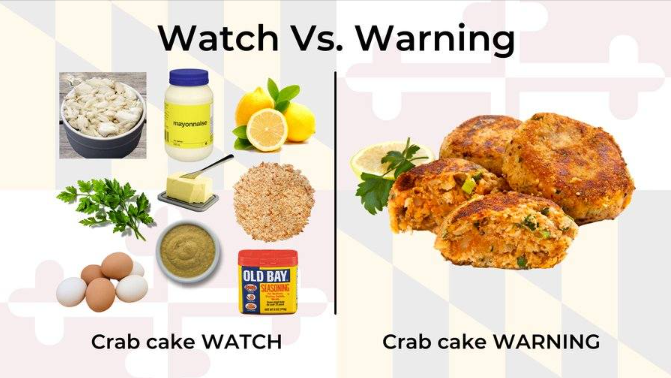
Knowing the difference between a hurricane WATCH and a hurricane WARNING is especially important. Here's a graphic that explains it in terms that all Marylanders can understand:
Get Moving When a Storm Threatens
Do you know what to do when a storm threatens? Prepare for hurricane season by taking the time now to understand the actions needed when time is of the essence.
- Protect your home: While longer-term home improvement needs to be done well ahead of time, when a storm threatens there are short-term actions to help protect your property. Learn more about how to prepare your home.
- Ready your go-bag, meds & supplies, charge phone, fill up/charge vehicle: Prepare your go bag, meds and supplies, charge your phone, and fill up/charge your vehicle: Have a go bag ready to take things with you if you need to leave in a hurry. In addition to basic survival needs, don’t forget other supplies such as chargers and hygiene products. The bag should also contain important personal and property documents, including your written communication plan. Download Emergency Contact Cards for family memebers to keep with them.
- Help your neighbors, especially the elderly & other vulnerable people. Help your neighbors, especially the elderly and other vulnerable people. Many people rely on their neighbors before and after a disaster, and there are many ways you can help them. Help them prepare for a storm and evacuate if needed. Share the latest forecast information with your community so that they know what to expect.
- Follow evacuation orders if given. Always follow evacuation orders from local authorities — don’t wait for a hurricane to intensify before deciding to follow the order. You want to leave early enough to avoid being trapped by severe weather. If time allows, unplug electrical equipment, leave a note detailing your whereabouts, and check if any neighbors need a ride.
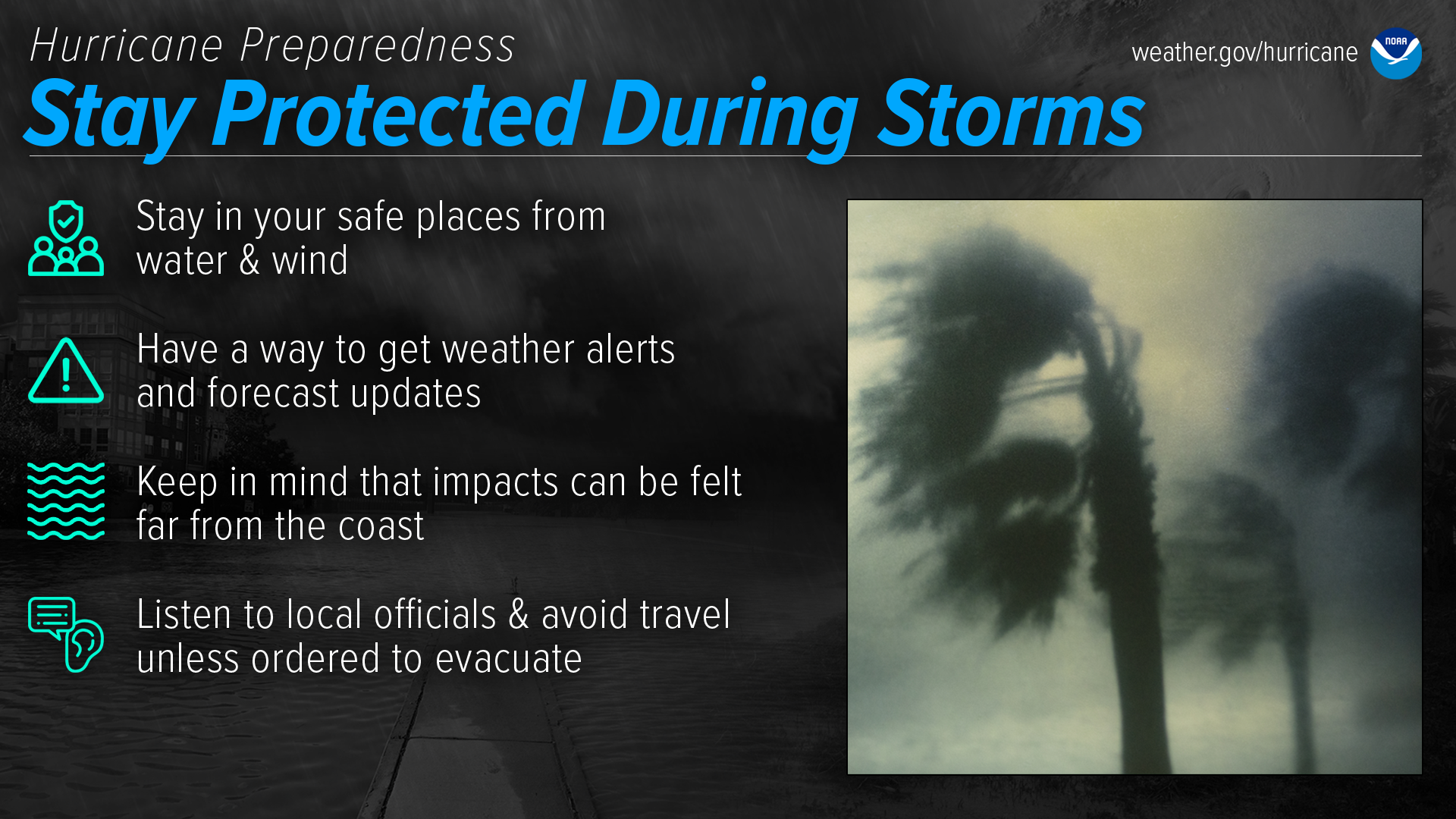
Stay Protected During Storms
Be prepared for hurricane season by knowing what to do during a storm. Whether you’ve evacuated or are sheltering in place, know what to expect from the hazards you may face. Remain vigilant, stay up-to-date with the latest forecasts and alerts, and continue to listen to local officials.
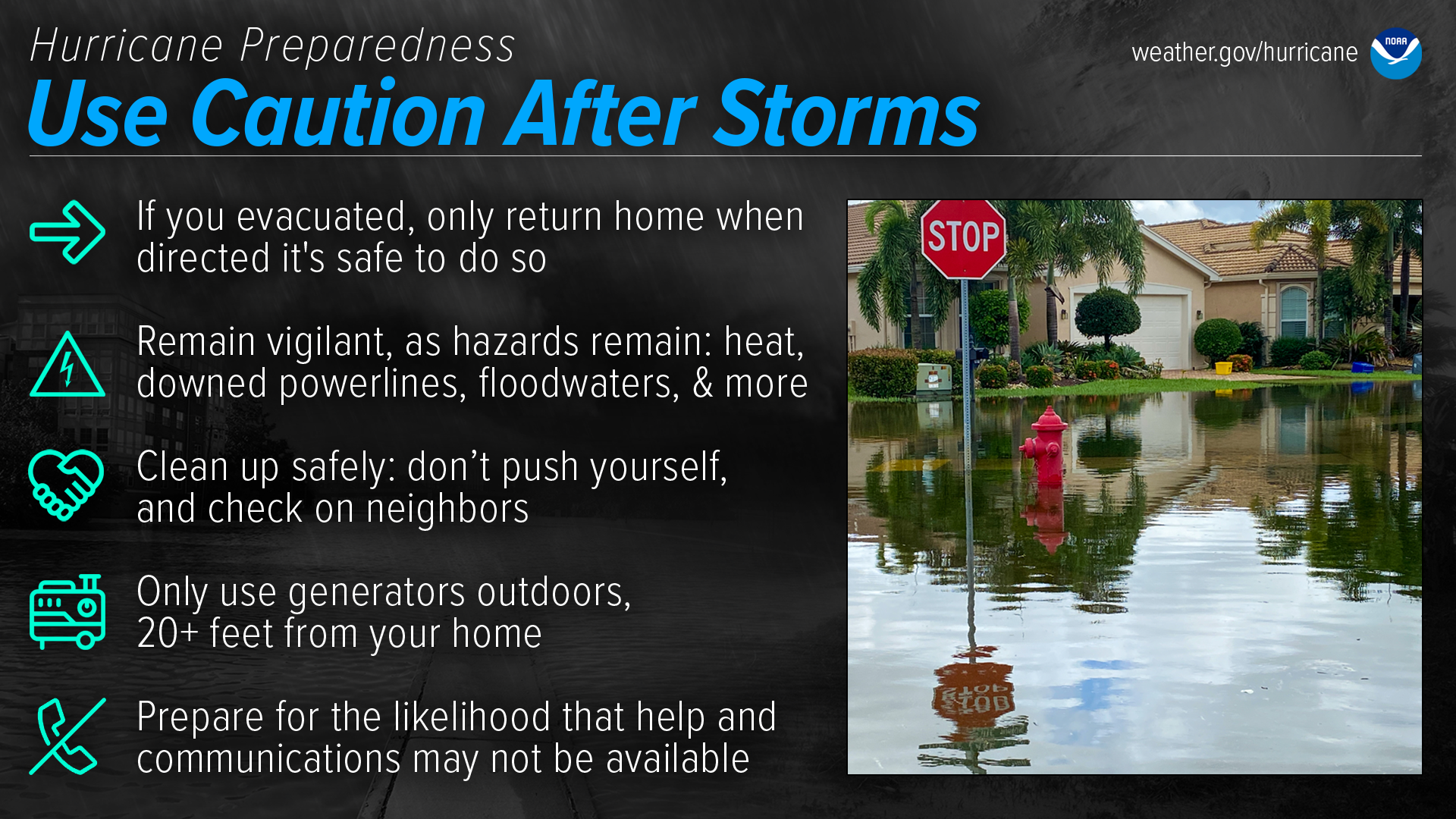
Use Caution After Storms
A key part of hurricane preparedness is understanding the dangers after a storm. This is NOT the time to put your guard down. Nearly half of hurricane fatalities occur after the storm. Here is more information on how to prevent injuries after a hurricane has passed through.