How to Identify and Counter Misinformation & Disinformation During a Disaster
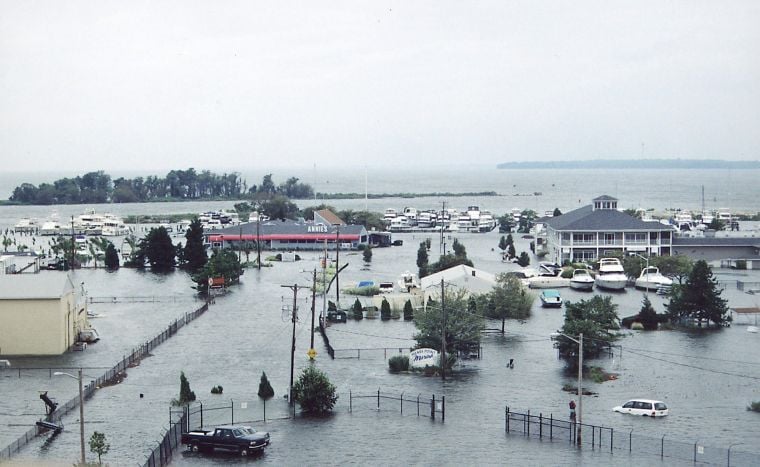
During disasters, misinformation and disinformation can spread rapidly, causing confusion, eroding trust and potentially endangering lives by interfering with rescue and recovery efforts.
Whether you are a member of the media, or a private citizen, it's crucial to distinguish between misinformation (unintentional errors) and disinformation (deliberate falsehoods) and to rely on verified information from official sources.
Reasons People Spread Misinformation
People often accidentally spread false information. If misinformation sparks an emotional response, people are more likely to believe or share it. For example, if a parent reads a false claim that children are consuming a dangerous chemical in school lunches, they might share the misinformation on social media to help inform their friends or other families at the school.
When people consume content quickly, they are more likely to spread misinformation. Speed reading can also be a driver for misinformation on social media. Rather than taking time to process information, users are scrolling and sharing at a rapid pace. By not taking time to pause and determine the accuracy of the content, misinformation can be catapulted by quick clicks.
Reasons People Spread Disinformation
When information is deliberately created, presented and disseminated with the intent to deceive, mislead or cause harm to advance specific agendas or distort public opinion, the phenomenon is described as ‘disinformation’.
Problems Caused by Misinformation & Disinformation During a Disaster
Examples of misinformation and disinformation:
- Rumors about road closures, available shelters, or the path of a disaster.
- False claims about the cause of a disaster or the government's response.
- Misinformation about FEMA's role in disaster assistance.
- Conspiracy theories about the disaster itself.
Problems caused by misinformation and disinformation:
- Rapid Spread. Social media and other online platforms allow information to spread quickly, making it difficult to control the narrative during a crisis.
- Panic and Confusion. False information can lead to unnecessary panic, fear, and confusion among affected populations.
- Hindered Response. Misinformation can divert resources, delay critical actions, and undermine the efforts of emergency responders.
- Endangerment. Rumors and false information can lead people to take unnecessary risks, such as ignoring evacuation orders or seeking unreliable sources of help.
How to Combat Misinformation & Disinformation
Verify Information:
- Always check information from credible sources, such as official government agencies, trusted media outlets, subject matter experts and your local contacts. If no one else is talking about it, that’s because it probably isn’t happening.
Evaluate the Source:
- Only trust sources you recognize and be aware of fake accounts posing as reputable news sources. Investigate the account to verify accurate and consistent contact information Check for misspellings in URLs and content.
- Only follow official government accounts that have the verified icon. Most reputable journalists and major news organizations will also be verified.
Be Critical:
- Don't blindly share information, especially during a crisis. Consider the source, the context and the potential implications.
Seek Official Updates:
- Rely on official channels for accurate information and updates during a disaster.
Engage with Community Leaders and Other Local Officials:
- Collaborate with community leaders and officials to share accurate information and counter misinformation.
Best Practices for Using Social Media:
- Monitor social media for problematic rumors and misinformation and take action to counter them.
- When sharing information on social media, keep posts short, cite evidence, use clear language and acknowledge uncertainties.
How to Push Back Against Falsehoods
DEBUNKING:
- Debunking is a reactive approach that responds directly to false claims. When debunking a claim, it is critical to communicate with plain language and clearly explain why the information is false. Using scientific jargon may only add to confusion or skepticism. Leading with and focusing on the facts keeps critical public health messaging front and center.
- Even when successfully executed, debunking content will rarely have the same reach as “viral” misinformation, and there is no guarantee the content will reach the same audiences who viewed a false claim.